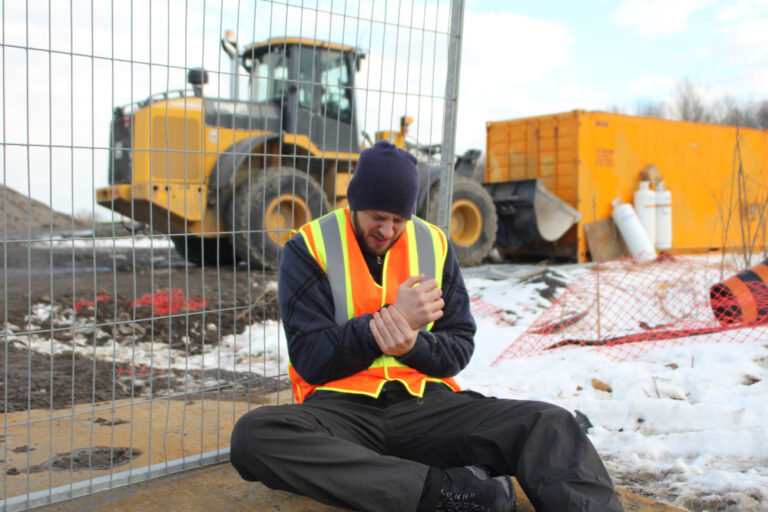

Repetitive Strain and Overuse Injuries at Work: How Chiropractic Care Can Help
Not every work injury happens in a single dramatic moment. Many of the most common and disabling workplace injuries develop gradually, the result of repeated motions, sustained postures, or cumulative physical stress that builds up over months or years.
Repetitive strain and overuse injuries are often dismissed early on because the symptoms seem manageable at first. But without proper care, they tend to worsen, eventually interfering with both work performance and quality of life.
What Are Repetitive Strain and Overuse Injuries?
These injuries occur when the body is asked to perform the same movements or maintain the same positions repeatedly, without adequate recovery time. They’re especially common in jobs that involve:
- Frequent lifting, bending, or twisting
- Extended time at a desk or workstation
- Assembly line or production work
- Operating heavy equipment
- Manual labor involving repetitive tool use
Over time, muscles, tendons, joints, and spinal structures experience cumulative stress that exceeds the body’s ability to recover. The result is inflammation, tissue breakdown, and dysfunction.
Common conditions that fall into this category include:
- Carpal tunnel syndrome – Compression of the median nerve from repetitive wrist and hand use
- Tendinitis – Inflammation of tendons in the shoulder, elbow, wrist, or knee
- Lower back strain – Chronic overuse of the lumbar muscles and spinal joints, common in both physical and sedentary jobs
- Rotator cuff irritation – Shoulder pain from repeated overhead reaching or lifting
- Cervicogenic headaches – Headaches originating in the neck from sustained poor posture or repetitive strain
How Chiropractic Care Addresses These Injuries
Chiropractic care is well-suited to repetitive strain and overuse injuries because it addresses the underlying structural and mechanical causes—not just the symptoms.
A chiropractor will evaluate how your spine, joints, and soft tissues have been affected and develop a care plan that may include:
- Spinal and extremity adjustments to restore proper joint mechanics and reduce nerve irritation
- Soft tissue therapy to address inflammation, adhesions, and muscle tension in affected areas
- Corrective exercises to rebuild strength and correct the imbalances that contribute to overuse injuries
- Ergonomic and movement guidance to help reduce strain at work and support long-term recovery
- Ongoing monitoring to track progress and adjust care as the injury heals
By treating the source of the problem, chiropractic care helps patients recover more fully and reduce the risk of re-injury.
Early Care Leads to Better Outcomes
One of the most important factors in recovering from a repetitive strain injury is getting care before the condition becomes severe. What starts as mild discomfort or occasional stiffness can progress to chronic pain, nerve involvement, or functional limitations that take much longer to resolve.
Seeking chiropractic care at the first signs of a repetitive strain injury—rather than waiting to see if it gets better on its own—typically leads to faster recovery and a better long-term outcome.
Documenting Your Work Injury
If your injury developed on the job, it’s important to report it through your employer and document your care. Chiropractic visits generate detailed records of your condition, treatment, and progress, which are valuable for workers’ compensation claims and return-to-work planning.
Your chiropractor can work alongside your employer and other healthcare providers to support both your recovery and a safe, sustainable return to work.
Schedule an Appointment at Veeva Chiropractic
If you’re dealing with pain, stiffness, or discomfort that you believe is connected to your work, don’t wait for it to worsen. Chiropractic care can help identify the source of the problem and start you on a path toward lasting relief.
Contact Veeva Chiropractic today to schedule an evaluation. Come visit us at any of our clinics in Beaverton, Gresham, Hillsboro, Happy Valley, Portland, Salem, Vancouver, and Woodburn. We accept walk-ins!