
Navigating Winter Roads: Auto Accidents and Chiropractic Recovery
When winter weather hits, hazardous driving conditions become an everyday reality. Sleet, ice, black ice, and snow create treacherous roads that dramatically increase the risk of auto accidents. Even the most cautious drivers can find themselves caught in a slide, a fender-bender, or a serious multi-vehicle collision during the winter months.
When a winter collision happens, the physical toll can be immediate and severe. Understanding common winter driving risks, the injuries they cause, and how to approach your recovery is essential for protecting your long-term health and mobility.
The Increased Risk of Winter Auto Accidents
Winter roads require significantly higher stopping distances and reduce tire traction. Common hazards that lead to accidents include:
- Black Ice: Invisible patches of ice on bridges, overpasses, and shaded roadways that cause sudden loss of control.
- Reduced Visibility: Heavy snowfall, freezing rain, and early sunsets make it difficult to judge distances and spot road hazards.
- Aggressive or Unprepared Driving: Vehicles traveling too fast for slick conditions often result in rear-end collisions or sliding off the road.
Common Injuries Associated with Winter Collisions
Even low-speed winter fender-benders can jolt the body violently, resulting in several distinct types of trauma:
- Whiplash: Rapid back-and-forth neck hyperextension and hyperflexion common in rear-end impacts.
- Back and Spine Strain: Sudden jolts can misalign vertebrae, strain supporting muscles, and compress discs.
- Soft Tissue Injuries: Sprains and tears in ligaments and tendons due to abrupt bracing or impact forces.
- Joint and Shoulder Pain: Impact from seatbelts, airbags, or steering wheels can cause localized trauma to shoulders, knees, and hips.
What Patients Should Do After a Car Accident
If you are involved in a winter auto accident, taking the right steps immediately safeguards both your legal standing and your physical recovery:
- Ensure Safety: Move to a safe location away from traffic if possible and check for immediate injuries.
- Call Authorities: File an official police report to document the incident details.
- Seek Immediate Medical Evaluation: Adrenaline can mask pain after a crash. Visit an urgent care or professional evaluator right away to check for hidden trauma, concussions, or internal injuries.
- Schedule a Comprehensive Assessment: Once cleared of acute emergencies, get a specialized musculoskeletal evaluation to catch structural misalignments before they turn into chronic pain.
How Chiropractic Care Supports Evaluation and Recovery After an Auto Accident
Following a winter collision, specialized chiropractic care plays a vital role in restoring mobility and managing post-traumatic pain:
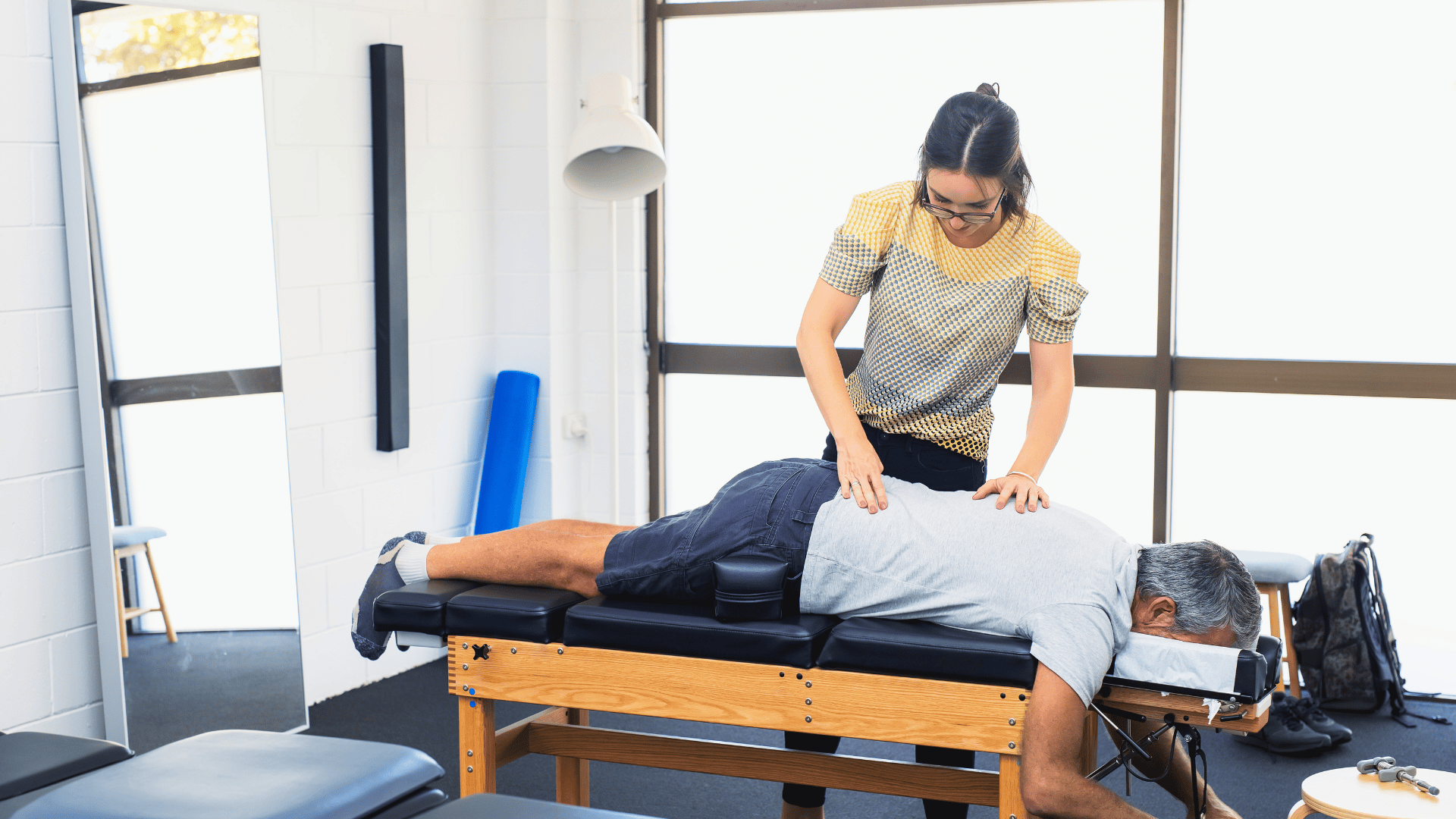
- Targeted Adjustments: Gentle spinal adjustments realign vertebrae, helping to relieve pressure on irritated nerves and discs.
- Soft Tissue Healing: Techniques designed to reduce inflammation and relax muscles can alleviate the stiffness associated with whiplash and back strain.
- Restoring Range of Motion: Customized rehabilitation plans help break up scar tissue and restore normal joint mechanics.
- Comprehensive Care Plans: Care can be seamlessly integrated with physical therapy and chiropractic care for a multi-disciplinary approach to healing.
Protect Your Recovery This Winter
Don’t let winter auto injuries turn into chronic, long-term discomfort. If you’ve been in a winter driving accident or are struggling with lingering pain, stiffness, or back and neck pain, we are here to help.
Contact Veeva Chiropractic today at (503) 506-5028 or visit one of our eight clinic locations across Oregon and Washington to schedule a consultation:
We will help you evaluate your injuries, build a personalized recovery plan, and get you back to moving safely and comfortably.


